


Business & Compliance
Can You Legally Remove Fake Google Reviews? Your Rights & Options In India

10.1. Example of a Good Public Response:
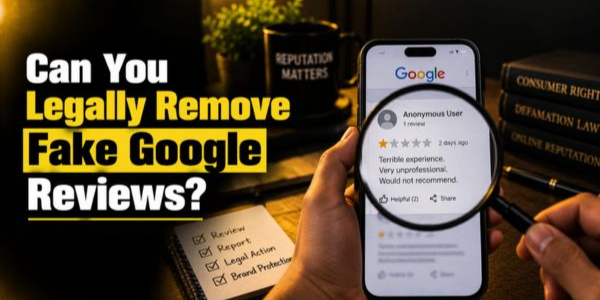
11. Can You Pay Someone to Remove Negative Google Reviews? 12. How Can Businesses Prevent Fake Google Review Problems? 13. Fake Google Review: What Should a Business Do? 14. Common Mistakes Businesses Make When Handling Fake Reviews 15. ConclusionYes, you can often get a fake Google review taken down. However, you cannot delete a review yourself simply because you dislike it, disagree with the customer, or received a low star rating. To get Google to take down a review, the post must break Google’s clear content rules or violate Indian laws. Google regularly removes reviews that are fake, written by people who never used your service, posted by competitors, aimed at harassing you, or filled with false and illegal statements. If a post breaks these rules, you can report it directly through your official account for a safety check and deletion.
What Makes a Google Review Fake or Removable?
- Non-Customers: The writer never bought anything from you, never visited your location, and never used your services.
- Fabricated Stories: The review describes events, staff members, products, or locations that do not exist at your business.
- Competitor Attacks: A rival business owner or their employee posts a negative story to steal your customers.
- Conflict of Interest: A current or former employee uses the platform to settle a workplace dispute.
- Coordinated Spikes: Multiple new accounts post identical low ratings within a short period to drag down your average score.
- Paid or Incentivized Reviews: Someone offers to write or remove bad posts in exchange for money, free products, or favors.
- Impersonation: The reviewer pretends to be someone else, such as a famous person, a government inspector, or another real customer.
- Spam & Repetitive Posts: The same person posts the exact same text across multiple listings or repeatedly posts links to other websites.
- Harassment and Threats: The text contains personal insults, hate speech, abusive language, or direct physical or financial threats.
- Unproven Criminal Allegations: The review falsely accuses your staff of serious crimes like fraud, theft, or physical assault without proof.
- Privacy Violations: The post reveals private details, such as an employee's personal phone number, home address, or private photos, without permission.
Also Read: How Can E-commerce Businesses Protect Their Brand From Fake Reviews and Product Copying?
Can You Remove a Negative Google Review Just Because It Is Unfair?
No. This is one of the most common misunderstandings among business owners. Google does not act as a judge for customer disputes and will not delete a review just because you feel it is unfair, harsh, or bad for business. If a customer genuinely bought a product, felt the service was slow, and left a 1-star rating expressing their disappointment, Google will usually leave the review up. That is considered an honest opinion, even if you feel their reaction was over the top. To get the review taken down, you must show that it breaks a specific content rule or legal standard.
How Can You Report a Fake Google Review for Removal?
- Step 1: Check the Rules - Read the review carefully. Figure out the exact policy it breaks, such as fake engagement, harassment, or off-topic content.
- Step 2: Save Your Proof - Take clear screenshots of the review text, star rating, reviewer name, profile picture, and date. Save these files before the user changes or edits the post.
- Step 3: Open Your Profile - Log into your account and open your Google Business Profile manager. Find the customer reviews section and locate the specific item.
- Step 4: Click Report - Click the three dots next to the comment and choose Report review. Select the reason that best describes the issue (such as Spam, Conflict of Interest, or Harassment).
- Step 5: Track Your Request - You can check the progress of your request using Google’s Review Management Tool. The system will mark your case as pending, approved, or denied.
- Step 6: File an Appeal - If your first request is denied, Google usually lets you submit a one-time appeal for eligible cases. Use this chance to add extra context and detail explaining why the post breaks platform rules.
What Evidence Should You Collect Before Reporting a Fake Review?
- Primary Screenshots: Capture the review, the reviewer’s public profile, their previous activity, and the exact time it was posted.
- Customer Records: Pull your sales logs, appointment schedules, booking calendars, and invoice histories to prove no record of that name exists in your system.
- Communication Trails: Save any emails, messages, or chat histories where the reviewer threatened to leave bad ratings unless you gave them free items or refunds.
- Delivery Receipts: Keep shipping logs and bills showing that orders were delivered on time and intact, contradicting claims of lost items.
- Competitor Proof: Collect evidence showing that the reviewer works for or owns a competing local business.
- Attack Logs: Take screenshots showing multiple suspicious accounts using the exact same phrasing or posting low ratings at the same time.
What If the Fake Google Review Is Posted by a Competitor?
- Gather Connection Proof: Search public records, social media accounts, or professional networks like LinkedIn to show the reviewer works for or is related to a competitor.
- Report the Violation: Flag the review through your manager account, picking Conflict of Interest as your primary reason.
- Escalate to Support: If the standard flag fails, contact Business Support directly. Provide your screenshots and links that show the link between the reviewer and your competitor.
- Consider Legal Notices: If the competitor continues posting fake complaints that hurt your income, talk to a lawyer about sending a formal legal notice for unfair business practices and reputation damage.
What If Someone Posts Multiple Fake Reviews Against Your Business?
If your profile gets hit by a coordinated attack, follow these steps:
- Document the Pattern: Create a spreadsheet listing the profile names, dates, times, star ratings, and exact wording for every suspicious review.
- Do Not Fight Back Publicly: Avoid replying angrily to every fake account in the comment section. That can make your business look unprofessional to real customers.
- Report Each Post: Flag every fake review individually through your manager dashboard so the system can link them together.
- Contact Support with Pattern Evidence: Reach out to support teams directly. Explain that your profile is suffering a coordinated attack and provide your spreadsheet as proof. Google has automated systems designed to catch and clean up mass fake reviews.
Can You Take Legal Action for a Fake or Defamatory Google Review?
Yes. In India, posting false statements online that harm a business or individual's standing can carry legal consequences.
- Free Speech vs. Illegal Defamation: Saying "I did not like the service at this clinic" is considered an opinion. But writing "This doctor is fake and operates without a license" is a factual statement. If that statement is false, it is illegal defamation.
Relevant Indian Laws
- Bharatiya Nyaya Sanhita, 2023 (BNS): Replaced the old Indian Penal Code. It defines criminal defamation and sets out penalties for making or publishing false statements intended to harm someone's reputation.
- Information Technology Act, 2000 (IT Act): Sections of this act cover online harassment, posting obscene content, identity theft, and sending offensive or threatening electronic messages.
- Civil Remedies: You can file a civil suit in court to claim monetary damages for lost income caused by false claims.
Recommended Legal Steps
- Consult a Real Estate or Business Attorney: Have a qualified lawyer review the reviews to confirm they meet the legal definition of defamation under Indian law.
- Send a Legal Notice: Your lawyer can draft and send a formal Cease & Desist notice to the person responsible (if their identity is known), demanding they take down the post and issue an apology.
- File a Police Complaint: If the post involves severe harassment, extortion threats, or online fraud, you can report it to your local Cyber Crime Cell.
Can You Ask Google to Remove a Review Through a Legal Complaint?
Yes. Standard policy flags go through automated content moderation systems.
- Access the Form: Go to Google's official Remove Content Now legal help page.
- Select the Product & Jurisdiction: Choose Google Maps / Business Profiles as the product and select India as your legal location.
- Cite Applicable Laws: State the exact laws being broken (such as defamation under the Bharatiya Nyaya Sanhita, 2023, or privacy rights under the IT Act, 2000).
- Upload Documents: Attach your business registrations, identity proofs, screenshots, and any court orders or police reports you have obtained.
- Submit to the Grievance Officer: In India, major internet platforms must maintain a dedicated Grievance Redressal mechanism under the IT Rules. Legal requests are reviewed by legal specialists rather than basic automated tools.
What Should You Do If Google Refuses to Remove the Fake Review?
- Review the Denial Notice: Check why Google rejected your flag. You may have selected the wrong category (like picking Spam instead of Conflict of Interest).
- Collect Better Evidence: Gather stronger proof, like official records showing the reviewer was never a customer, and resubmit through the appeal process.
- Post a Professional Public Reply: Write a polite, factual response beneath the review. Expressing a willingness to help while noting you have no record of their business relationship shows other customers you care.
- Get Fresh, Real Reviews: Ask your actual, happy customers to leave honest feedback. A steady stream of genuine 5-star reviews will quickly drown out a single fake bad rating.
- Seek Legal Advice: If the unremoved post makes false criminal claims that cause serious financial loss, consult a lawyer to explore formal legal options or court orders.
Should You Respond Publicly to a Fake Google Review?
Yes, responding publicly is almost always a good idea while you wait for Google to review your takedown request. Potential customers who check your profile will read how you handle complaints.
Example of a Good Public Response:
"Hello [Reviewer Name]. We take customer service very seriously, but we have no record or receipt matching your name in our system. We have no record of this incident occurring at our location. Please contact us directly at [Email/Phone] with your invoice details so we can investigate and resolve this right away."
Can You Pay Someone to Remove Negative Google Reviews?
No. Be very careful. You will find many agencies online promising to "guarantee" the removal of bad Google reviews for a fee.
- Scams: Third-party agencies have no secret back-door access to Google's databases. They use the same public reporting tools you do, while charging high fees for simple flags.
- Manipulating Reviews: Hiring companies to flood your profile with fake positive reviews to offset bad ones breaks platform rules. Google’s automated systems can detect fake review patterns and may permanently ban your listing.
- Blackmail: Some bad actors post fake 1-star reviews on your profile themselves, then reach out offering paid "removal services" to fix the problem they created.
How Can Businesses Prevent Fake Google Review Problems?
- Keep Complete Customer Logs: Maintain organized records of digital invoices, appointment receipts, and signed service sheets. Having clean records makes it much easier to prove a reviewer was never a real customer.
- Monitor Your Profile Daily: Turn on instant notification alerts for your Google Business Profile so you can spot and address fake reviews right away.
- Build a Clear Internal Escalation Process: Make sure your staff members know how to record customer complaints, collect evidence, and flag fake posts quickly.
- Encourage Real Reviews: Put up signs, add links to your physical receipts, or send follow-up emails asking happy customers to leave feedback. Profiles with hundreds of real 5-star reviews can easily absorb an occasional fake bad post.
- Avoid Unethical Practices: Never buy fake positive reviews or offer discounts in exchange for 5-star ratings. If Google catches your profile manipulating reviews, you could lose your entire listing.
Fake Google Review: What Should a Business Do?
Situation | Recommended Action |
|---|---|
Genuine negative review | Respond politely, offer a quick solution offline, and fix the internal issue. |
Fake customer experience | Gather customer logs, flag the post for Fake Engagement, and post a calm public reply. |
Competitor review | Collect evidence connecting the reviewer to the rival, report it as a Conflict of Interest, and contact support. |
Multiple coordinated reviews | Document the pattern in a spreadsheet, flag every post, and ask Business Support to handle the attack. |
Harassment or threats | Save screenshots immediately, report the post for Harassment, and consider reporting extortion to cyber police. |
False serious allegations | Save proof, submit a legal removal request under Indian law, and consult a lawyer. |
Personal information exposed | Flag the post immediately as a Privacy Violation to hide exposed personal details. |
Google refuses removal | Submit an appeal with stronger evidence, post a factual public reply, and get fresh, real reviews. |
Ongoing reputation damage | Send a formal legal notice to the culprit (if known) or consult a lawyer about a court injunction. |
Common Mistakes Businesses Make When Handling Fake Reviews
- Flagging Every Bad Rating as Fake: Reporting real customers who simply had a bad experience wastes time and lowers your credibility when reporting actual fake posts.
- Getting into Angry Arguments Online: Replying with threats or insults harms your brand far more than the original bad review.
- Violating Customer Privacy: Posting a customer's real name, phone number, or invoice details online to defend yourself breaks privacy laws and platform terms.
- Buying Fake Positive Reviews: Trying to cover up bad ratings by purchasing fake 5-star reviews can get your profile suspended or permanently removed.
- Ignoring Suspicious Activity: Leaving coordinated review attacks unaddressed allows fake bad ratings to sit at the top of your profile for months.
- Rushing into Court: Jumping straight into expensive legal lawsuits without checking whether the review is an opinion or a false statement wastes time and money.
Conclusion
Fake Google reviews can affect a business’s reputation, customer trust, and income. Businesses should first identify whether a review actually violates Google’s policies or Indian law, then preserve screenshots and supporting records before reporting it. If Google does not remove the review, an appeal, professional public response, or legal action may be considered depending on the circumstances.
Disclaimer: This blog is for informational purposes only. If you require legal consultation, kindly contact an experienced Corporate Lawyer.
Frequently Asked Questions
Q1. Can a business legally remove a fake Google review in India?
Yes. If a review breaks platform policies (such as using fake profiles or posting abusive content) or violates Indian legal standards (such as criminal defamation under the Bharatiya Nyaya Sanhita, 2023), you can report it to Google or submit a formal legal request to get it taken down.
Q2. Can Google remove a review from someone who was never my customer?
Yes. Google’s content policies state that reviews must reflect real customer experiences. If you can show that the reviewer never bought anything from your business, you can flag the post as fake engagement for removal.
Q3. Can a competitor post a negative Google review?
No. Competitors are explicitly banned from posting negative reviews about rival businesses. This is considered a direct conflict of interest. If you can prove the reviewer works for a rival, Google will take down the post.
Q4. Can I sue someone for posting a fake Google review?
Yes. If someone posts false statements of fact (not just negative opinions) that damage your business reputation or cause financial loss, you can sue them for defamation or file a complaint under the Information Technology Act, 2000.
Q5. What if Google refuses to remove a fake review?
You can submit a one-time appeal with extra evidence, post a polite public reply clarifying that you have no record of their visit, and ask genuine customers for fresh reviews to drown out the bad rating. If the post causes severe harm, consult a lawyer about legal options.

 Get Expert Advice and Solutions
Experienced lawyers for all legal matters wether it is for Family, Property, Criminal Cases, and More
Consult Now