


Know The Law
Difference Between Annulment And Divorce
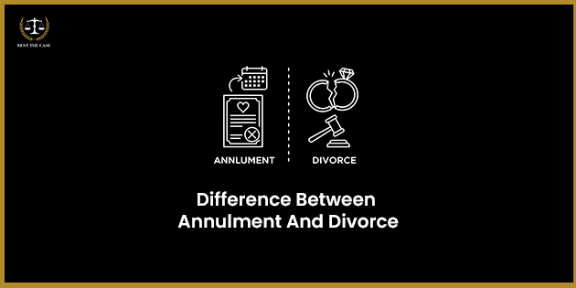

When a marriage reaches its breaking point, most people immediately think of "divorce." However, there is another legal path- annulment- that offers a completely different way to close that chapter. While both processes result in you being single, they are legally and financially worlds apart. Here is a breakdown of the differences between annulment and divorce to help you understand which path might be right for your situation.
What is a Divorce?
Divorce is the legal way to end a marriage. It confirms that two people were legally married, but the law now accepts that they no longer want to live together as husband and wife. After a divorce, both individuals are free to live their lives separately and, if they choose, marry again.
Key Points Explained Simply:
- Legal Status: Divorce changes your status from being married to being legally single. The marriage ends not just emotionally, but also in the eyes of the law.
- Reason for Divorce: Today, most divorces do not require blaming one spouse. Couples can simply state that they cannot live together anymore due to differences that cannot be resolved.
- Divorce Process: Divorce is more than just signing papers. It usually involves settling important matters such as how property and money will be divided, whether one spouse will provide financial support, and how children will be cared for in the future.
What is an Annulment?
An annulment is a legal order that declares a marriage invalid from the start. It means the law considers that a real marriage never legally existed between the two people, even though a wedding ceremony may have taken place.
Key Points Explained Simply:
- Legal Status: With an annulment, the law treats you as if you were never married at all. Your status becomes “single,” not “divorced.”
- Reason for Annulment: Unlike divorce, you must prove a valid legal reason showing the marriage was not lawful from the beginning. This can include situations like fraud, one spouse already being married, or a lack of free consent.
- Annulment Process: If strong legal grounds are clearly proven, an annulment may take less time than a divorce. However, it requires solid evidence, making it harder to obtain than a divorce.
Annulment vs. Divorce: At a Glance
Divorce and annulment both end a marriage, but in very different ways. This table explains how they differ in legal view, process, and outcomes.
| Feature | Divorce | Annulment |
|---|---|---|
Legal View | The law recognizes that you were married, but the marriage is now officially over. | The law treats the marriage as if it never existed; you were never legally married. |
Ease of Filing | Almost any married couple can file, often without proving fault. | Requires strong legal proof, such as fraud, coercion, or bigamy, to show the marriage was invalid. |
Property and Money | Marital assets and property are divided fairly between spouses. | Property usually goes back to the original owner since the marriage is treated as invalid. |
Financial Support (Alimony) | One spouse may have to pay support depending on circumstances. | Usually, no support is provided, as legally, no marriage existed. |
Children | Custody, visitation, and child support are decided based on the best interests of the children. | Children remain legally legitimate, and custody/support is handled normally. |
Timing | Often requires a waiting period (e.g., 1 year) before it is finalized. | Can often be filed immediately once legal grounds are proven, making it faster. |
Common Grounds for Annulment
An annulment cancels a marriage as if it never happened. You cannot get one just because you changed your mind. Usually, it must be for one of these reasons:
- Lying or Cheating (Fraud or Misrepresentation): One spouse hid important facts or lied about something essential, such as their ability to have children, financial status, or a past criminal record. The law considers that the marriage would not have happened if the truth were known.
- Already Married (Bigamy): If one spouse was legally married to someone else at the time of your wedding, the second marriage is not valid. Being married to more than one person at the same time is illegal.
- Never Had a Physical Relationship (Lack of Consummation): If the couple never had sexual relations, or one spouse refused, some laws consider the marriage incomplete, and this can be a ground for annulment.
- Unable to Consent (Incapacity): If one or both spouses were under the influence of drugs or alcohol, or had mental health issues that prevented them from understanding and agreeing to marriage, the marriage may be invalid.
- Too Young (Underage Marriage): If one or both spouses were below the legal age of marriage at the time of the wedding, the marriage is not legally valid.
- Close Relatives (Incest): Marriages between people who are too closely related by blood (like siblings or close cousins, depending on the law) are not allowed and can be annulled.
Financial and Personal Implications
The choice between these two can significantly impact your wallet and your future.
- Financial Protections: In a divorce, you may be entitled to a share of your spouse's retirement accounts or alimony. In an annulment, these protections typically vanish because the law views the union as a "nullity."
- Religious Beliefs: For many, an annulment is a way to end a marriage without the religious "stigma" of divorce, potentially allowing for remarriage within certain faiths (though a religious annulment is a separate process from a civil one).
- The Paper Trail: While a divorce stays on your record as a dissolved marriage, a legal annulment effectively wipes the slate clean, though court records of the proceeding will still exist.
Which Path Should You Take?
Choosing between annulment and divorce depends on your specific circumstances and whether you can meet the strict requirements for an annulment. If your marriage was valid but simply failed, divorce is the standard route. If the marriage was based on a lie or a legal error, annulment might be your best option.
Conclusion
Divorce and annulment both legally end a relationship, but they work in very different ways. Divorce ends a valid marriage, while annulment declares that the marriage was never legally valid. Understanding these differences helps you choose the right legal option based on your situation, rights, and future responsibilities.
Disclaimer: This article is for general informational purposes only and does not constitute legal advice. Laws may vary by jurisdiction; always consult a qualified family lawyer for advice specific to your situation.
Frequently Asked Questions
Q1. Is annulment better than divorce?
Not necessarily. Annulment is only possible in specific situations where the marriage was legally invalid. Divorce is more common and easier to obtain.
Q2. Can children be affected by annulment?
No. Children born from an annulled marriage are still considered legally legitimate, and custody and support are decided normally.
Q3. Is annulment faster than divorce?
Sometimes. If strong legal grounds are clear, annulment can be quicker. However, proving those grounds can be difficult.
Q4. Can alimony be claimed after annulment?
Usually, no, because the law treats the marriage as never existing. In divorce, alimony may be awarded.
Q5. Can I choose annulment instead of divorce?
You can only seek annulment if your case meets the legal grounds. Otherwise, divorce is the appropriate option.

 Get Expert Advice and Solutions
Experienced lawyers for all legal matters wether it is for Family, Property, Criminal Cases, and More
Consult Now