


Business & Compliance
How Can You Protect Your Business From COD Fraud, Fake Returns and Chargebacks?
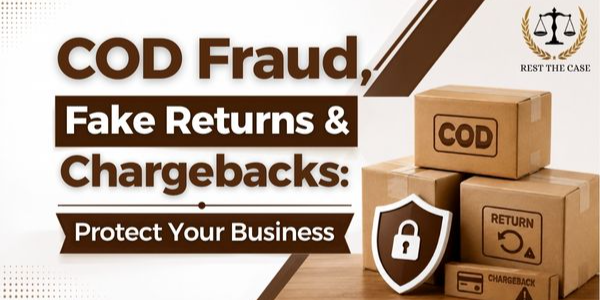

Online sellers can mitigate financial losses from Cash on Delivery (COD) fraud, fake returns, and chargebacks by enforcing OTP order verifications, capturing packing and unboxing evidence, applying risk-based shipping controls, and maintaining clear platform policies. When fraudulent transactions occur, sellers must preserve transit logs, raise disputes via payment gateway or marketplace channels, and pursue legal remedies under applicable Indian cyber and criminal laws.
What Are the Most Common COD, Return & Chargeback Frauds?
E-commerce businesses in India face severe profit erosion caused by systemic buyer abuse and payment manipulation across multiple channels:
- Fake COD Orders: Fraudulent users or bots placing orders with fake names, invalid addresses, or non-existent phone numbers, causing high Return-to-Origin (RTO) expenses.
- Intentional Delivery Refusal: Customers ordering items on impulse and rejecting delivery at the doorstep, forcing the seller to bear double shipping charges.
- Empty-Box & Fake Returns: Fraudulent buyers returning empty courier bags, paper scraps, or rocks instead of the original item while demanding immediate refunds.
- Product Swapping (Switch-Fraud): Customers returning older, used, broken, or counterfeit items while keeping the newly delivered premium product.
- False Damage Claims: Buyers damaging items deliberately or claiming non-receipt to extract full refunds while retaining functional products.
- Friendly Fraud & Unauthorized Chargebacks: Buyers making legitimate credit card purchases, then filing false non-receipt or unauthorized transaction claims with their issuing bank.
- Repeat Fraud Offending: Serial abusers utilizing multiple guest accounts, VPNs, or altered address formats to bypass platform seller blacklists.
What Can Sellers Do to Prevent COD Fraud?
Preventing COD fraud requires implementing upfront order verification rules before dispatching stock:
- Mandatory OTP Verification: Requiring buyers to verify their mobile numbers via automated One-Time Passwords (OTP) prior to order confirmation.
- Address & Pincode Validation: Using automated address verification tools to flag incomplete physical addresses, non-serviceable pincodes, or suspicious delivery locations.
- High-Risk Order Scoring: Establishing automated risk filters that block COD options for high-value carts, first-time accounts with bulk quantities, or locations with historical RTO rates.
- COD Value Caps: Limiting Cash on Delivery payments to orders under a specific threshold (e.g., ₹2,000), requiring partial or full prepayments for higher-value shipments.
- Prepaid Incentives: Offering nominal discounts, free shipping, or reward points to encourage buyers to opt for prepaid UPI or card payment gateways.
How Can Sellers Protect Themselves Against Fake Returns?
Securing product fulfillment and return processing pipelines prevents inventory tampering and streamlines dispute resolution:
- Serial Number & IMEI Record-Keeping: Printing individual product serial numbers, barcodes, or batch numbers directly on customer tax invoices and dispatch manifests.
- Tamper-Evident Packaging: Shipping goods inside high-security, tamper-evident courier bags featuring unique outer serial numbers and single-use adhesive seals.
- Pack-Station Video Recording: Installing overhead cameras at fulfillment stations to record continuous, high-definition footage of products being inspected and sealed into shipping bags.
- Precise Logistics Weight Capture: Logging physical dispatch weights on courier manifests to contrast against return delivery weights during dispute resolution.
What Should You Do If a Customer Sends Back the Wrong or Empty Product?
When a returned parcel contains an empty box, damaged item, or swapped product, take immediate operational steps:
- Refuse Delivery or Mark Discrepancy: Note package tampering, torn seals, or weight discrepancies directly on the courier delivery slip before signing for the return.
- Record Continuous Unboxing Videos: Filming unedited, uninterrupted unboxing video coverage showing the intact courier shipping label, outer serial numbers, and the contents inside.
- Cross-Check Internal Product Identifiers: Verify serial numbers, security stickers, or batch codes on the returned item against your original dispatch logs.
- Raise Immediate Disputes: Submit a formal dispute via your payment gateway, courier service, or marketplace reimbursement panel (e.g., SAFE-T on Amazon or SPF on Flipkart) within prescribed deadline windows.
How Can Sellers Fight Fraudulent Chargebacks?
When a buyer files an unauthorized transaction or non-receipt chargeback through their credit card issuer, sellers must submit clear transaction evidence within payment provider deadlines:
- Proof of Delivery (POD): Submitting signed courier delivery receipts containing the buyer’s signature, delivery timestamp, GPS coordinates, and recipient name.
- Match Buyer Contact Data: Providing order logs showing matching billing addresses, delivery locations, email addresses, and verified phone records.
- Customer Communication Logs: Submitting recorded email exchanges, chat logs, or SMS records confirming order confirmation, shipment tracking, or usage inquiries.
- Refund & Return History: Supplying records showing whether the customer previously requested returns, refused replacements, or bypassed published customer service policies.
What Evidence Should an Online Seller Preserve?
Maintaining systematic records is crucial for winning platform disputes, payment gateway chargebacks, and legal recovery claims:
- Order & Customer Details: Customer name, verified phone number, IP address, delivery address, and order timestamp.
- Financial & Tax Invoices: Tax invoices bearing product descriptions, tax breakdowns, unique order IDs, and logged serial numbers.
- Fulfillment Evidence: Packing station video logs, photographs of packaged items, tamper-evident bag numbers, and dispatch weight slips.
- Transit Records: Airway Bills (AWB), carrier manifests, real-time tracking logs, and signed Proof of Delivery (POD) documents.
- Dispute Documentation: Detailed unboxing videos of returned packages, return parcel weight receipts, and written platform ticket histories.
Can Sellers Take Legal Action Against Customers for Online Fraud?
Yes. E-commerce fraud involves criminal and civil violations under Indian law, and sellers can pursue formal legal avenues:
- Criminal Charges under Bharatiya Nyaya Sanhita, 2023 (BNS): Fraudulent orders, empty-box returns, and product swapping constitute criminal offenses under Section 318 (Cheating) and Section 316 (Criminal Breach of Trust) of the BNS.
- Cybercrime Offenses under IT Act, 2000: Using fake identities, hijacked credit cards, or altered IP data triggers prosecution under Section 66C (Identity Theft) and Section 66D (Cheating by Personation using Computer Resource) of the Information Technology Act, 2000.
- Formal Legal Notice: Serving a lawyer-drafted legal notice demanding immediate compensation for stolen items, shipping costs, and legal fees within a 15-day compliance window.
- Filing Police & Cyber Cell Complaints: Reporting repeat offenders, organized fraud rings, or high-value return theft to local police stations or via the National Cyber Crime Reporting Portal.
What Legal Policies Should Online Sellers Have to Reduce Fraud?
Online sellers must publish explicit policies compliant with the Consumer Protection Act, 2019 and the Consumer Protection (E-Commerce) Rules, 2020 to protect their storefronts:
- Strict Return & Exchange Terms: Specifying return windows, conditions requiring original tags and intact security seals, and explicit non-returnable categories (e.g., personal hygiene goods, perishables).
- COD Verification Policies: Disclosing that Cash on Delivery orders are subject to phone verification, OTP validation, order value limits, and cancellation if unverified.
- Unboxing Video Requirements: Recommending or mandating that customers film uninterrupted unboxing videos upon delivery to process missing or damaged product claims.
- Abuse & Anti-Fraud Provisions: Expressly reserving the right to cancel suspicious orders, refuse COD options, blackball repeat abusive accounts, and initiate legal recovery against fraudulent buyers.
Also Read: Consumer Protection Laws in India
What Are the Biggest Mistakes Sellers Make When Handling Fraud?
- Refunding Returns Without Physical Inspection: Processing buyer refunds automatically upon courier scan without verifying package contents inside fulfillment centers.
- Failing to Record Packing & Unboxing: Relying on verbal claims or static photographs rather than continuous video coverage during dispatch and return opening.
- Missing Gateway Chargeback Deadlines: Delaying evidence submission past payment gateway dispute windows (often 7-10 days), resulting in automatic forfeiture.
- Disregarding Return Parcel Weight Discrepancies: Accepting returned packages without comparing incoming courier weight receipts against original dispatch manifests.
- Overlooking Platform Reimbursement Windows: Delaying SAFE-T or SPF claims past mandatory platform filing windows (typically 7-14 days from return delivery).
COD Fraud & Chargeback Protection Checklist

Related Legal Insights
What GST and Import Compliance Rules Apply to Online Sellers in India?
Consumer Protection Rules Every E-commerce Business Must Follow
Privacy Policy, Terms & Conditions & Website Policies For E-Commerce Stores
10 Legal Documents Every Online Store Must Have
E-Commerce Legal Compliance Checklist For Indian Businesses
Conclusion
Online sellers can significantly reduce COD fraud, fake returns, and chargeback losses by combining preventive controls with strong evidence management. OTP verification, risk-based COD restrictions, tamper-evident packaging, serial tracking, and continuous packing and unboxing videos strengthen fraud prevention. Maintaining invoices, delivery records, weight logs, and communication histories supports successful disputes and legal action. Clear return policies and timely platform complaints further protect revenue, inventory, and customer relationships while supporting compliance with applicable Indian laws.
Disclaimer: This blog is for informational purposes only. If you need legal consultation, please contact an experienced Corporate Lawyer.
Frequently Asked Questions
Q1. What can I do if a COD customer refuses delivery?
Analyze the refusal reason, track RTO costs, flag the buyer account to restrict future COD orders, and enforce prepaid payment requirements on subsequent transactions.
Q2. Can an online seller refuse a fraudulent return?
Yes. Sellers can reject return claims and withhold refunds if physical evidence demonstrates that the buyer returned a swapped, used, damaged, or empty item, provided published store policies are followed.
Q3. What if a customer sends back an empty box?
Document the unopened package weight, record a continuous unboxing video, match parcel labels, and file an immediate dispute with your courier, marketplace reimbursement panel, or payment provider.
Q4. How can sellers dispute a chargeback?
Submit comprehensive transaction evidence, including signed Proof of Delivery documents, order confirmation records, invoice copies, and customer communication logs to the payment gateway within the dispute deadline.
Q5. Can an online seller recover money from a fraudulent customer?
Yes. Sellers can recover funds by issuing a formal legal notice, lodging complaints with cybercrime authorities, filing police reports under the BNS, or pursuing civil recovery claims in court.

 Get Expert Advice and Solutions
Experienced lawyers for all legal matters wether it is for Family, Property, Criminal Cases, and More
Consult Now