


Business & Compliance
How To Prevent Client Payment Problems Before They Start
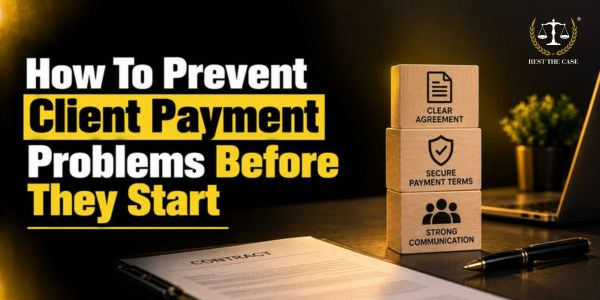

The safest ways to avoid payment issues with clients are to set terms before starting the work, verify the client, use a contract, set the scope and deliverables, collect advance or milestone payments where appropriate, and keep proper records. Having a smooth payment process will ensure the identification of risks upfront, reduce misunderstandings and help to recover the money in case of a dispute.
What Should You Do Before Accepting a New Client?
Before you accept any new client, do some basic due diligence on their identity and payment practices where reasonably available. You should verify their legal entity or business information and make sure that the person who signs the agreement has the right to do so. You should also understand their invoice and payment practices, including approval processes and expected timelines. The identification of warning signs at the start can help to reduce the risk of a dispute later on.
Should You Always Use a Written Contract With Clients?
You can avoid a lot of disputes by having a written contract since it will clearly set out the rights and obligations of the parties. The agreement should cover the scope of work and deliverables, timelines, obligations of both sides, and procedure for amending the scope of work. Even when dealing with a long-term or trusted client, the important commercial terms should not rely on verbal discussions, and a proper agreement will protect you in case of a dispute. The Indian Contract Act, 1872 provides the general law in relation to contracts and their enforcement.
What Payment Terms Should You Include in a Client Contract?
Your contract with a client should clearly set out the total contract value, including the payment schedule and timelines, advance or milestone payments, if any, the payment method, and taxes. It should also include the late-payment interest, the payment dispute procedure, and the terms regarding the suspension of services for non-payment, where appropriate. Clearly setting out the payment terms will avoid confusion on the part of the client and help them to know exactly when and how they should pay you.
Should You Take an Advance Payment From Clients?
An advance payment reduces the risk to you since it ensures that at least a part of the money will come into your account before you complete significant work or spend a lot of effort. Advance payments can be particularly beneficial for new clients, project-based work where the cost is high, customised orders, or where the initiation involves substantial costs. There is no right answer as to how big it should be, but it should be appropriate to the nature, value, and risk of the deal. Businesses should balance their need for an advance to protect themselves with providing fair terms to the client.
Should You Use Milestone-Based Payments?
Using milestone-based payments will reduce the risk that you will have a huge amount owed to you at the end of a big job. Instead, the significant work can be broken down into stages, each with its own deliverable, milestone, or approval by the client. The contract should specifically set out the acceptance criteria for each stage and explain what will happen if there is a delay or dispute on the part of the client. This way, the issue can be identified and resolved before you move to the next stage instead of having a big outstanding invoice at the end.
How Can Clear Scope and Deliverables Prevent Payment Disputes?
Having a clear scope of work helps to avoid disputes about the deliverables that you were supposed to provide. The contract should specifically lay out the items that you are supposed to deliver, the limitations, revisions, and the responsibilities of the client. When both sides understand the limits and expectations regarding the scope of work, it becomes harder to push for extra services or withhold the payment for them.
When Should You Raise an Invoice?
The invoice should be raised as per the payment terms set out in the contract, whether the payment is to be received at the beginning, at each stage, or at the end of the work. The invoice should clearly show the amount that is due, the payment due date, the taxes, and the reference to the contract or a purchase order, if applicable. Delaying the invoice will only delay the payment, especially with the approval process on the part of the client. Timely invoicing is an important risk-mitigation step.
How Can You Follow Up on Payments Without Damaging the Client Relationship?
You can follow up systematically on the due date or shortly before it is due, and not become confrontational as soon as a payment is missed or delayed. Businesses can also set up automatic reminders and send a polite reminder prior to the due date, a follow-up on the day of the due date, and formal escalation procedures to more senior contacts if the payment is still outstanding. All the important emails or any other communication should be documented. A typical structure of such escalation is:
Friendly Reminder → Follow-up → Formal Reminder → Senior escalation → Legal review
Should You Charge Interest for Late Payments?
You can include a clearly drafted late-payment interest clause in your client contracts to set out what will happen if the payment is overdue. The clause should set out the interest, the payment due date and the day from which the interest will start accruing. Similarly, the interest terms can be included in the invoice or the payment terms that you provide to a client. Statutory interest can also apply where the situation permits, for instance, in the delayed payment framework for eligible MSMEs. The interest clause should always have a proper contractual or legal backing, rather than being drafted on an ad hoc basis.
Also Read: Can You Charge Interest on Late Payments in India? Legal Rules & MSME Rights
What Should You Do If a Client Starts Showing Payment Warning Signs?
Some signs indicate that the client is going towards a default. These warning signs can be regular excuses from the client, delays in responding to communications or the request to defer payment, disagreements or objections to the work done or invoices provided, unauthorized deductions, requests for extra work without paying what is owed, and unexplained changes in contacts. You should then reduce the amount of credit that you provide to the clients, get the necessary written confirmation about the disputed matters, verify unpaid invoices, escalate the matter inside your firm and review the contract. It is important to take action to avoid a bigger problem in the future.
Should You Stop Work If a Client Has Not Paid?
Stopping work may be a good measure in some cases but first, understand if the contract provides a right to do so or not and what are the consequences. Consider how much money is owed, the payment terms, the progress of the project, and the consequences of suspending the work. The written notice should be given, prior to any action, to stop the services and follow the procedure set out in the contract. Avoid stopping the work or terminating the contract if it does not say that you have this right and do not understand your obligations on termination, as it may cause another dispute.
How Can You Keep Better Records for Payment Protection?
Keep records of all the payments and ensure that there is a clear paper trail from the beginning of the deal to the end. You should keep copies of signed contracts, purchase orders, approvals for work, emails, WhatsApp messages, invoices and their payments, delivery evidence, and records of important conversations or meetings. All the records should be able to show what was agreed, what was done, when the money was due, what was paid, and what is still owed.
Client Payment Protection Checklist
Area | What to Do |
|---|---|
Client verification | Check basic business details |
Contract | Use clear written terms |
Scope | Define deliverables and exclusions |
Payment | Set specific due dates |
Advance | Consider upfront payment where appropriate |
Milestones | Link payments to project stages |
Interest | Define late-payment terms |
Invoicing | Raise invoices on time |
Reminders | Follow a structured escalation process |
Records | Maintain complete transaction evidence |
Warning signs | Act early when payment behaviour changes |
Explore More Legal Guides
- MSME Payment Recovery: Know Your Legal Rights
- Payment Dispute After Contract Completion: What Are Your Legal Options In India?
- How To Send A Legal Notice For Payment Recovery In India
Conclusion
Preventing payment issues from clients requires businesses to do certain steps before the work commences. This includes verifying and screening clients, formalising a written contract, describing deliverables, determining specific payment terms, taking an advance (if required) and maintaining good records. Addressing concerns early can help prevent issues from becoming worse. A systematic procedure for collecting payments can improve cash flow and help businesses have better evidence and legal backing if it comes to the collection and recovery of their dues.
Disclaimer: The blog is provided for informational and educational purposes only and is not a substitute for the legal or professional advice of a qualified company lawyer, as laws are subject to change and could differ depending on the company's specifics. Readers are, therefore, advised to consult a qualified Corporate Lawyer in their jurisdiction.
Frequently Asked Questions
Q1. How Can I Prevent Clients From Delaying Payments?
Use a written contract with specific payment dates, take advance where appropriate, describe deliverables and late-payment terms. Raise invoices promptly and follow a structured reminder process than wait until the payment becomes seriously overdue.
Q2. Should I Take an Advance Payment From Every Client?
Not necessarily, an advance may be taken for new clients, customised work and high value deals and where the payment is large and requires a significant upfront investment. The quantum will depend on the nature of the transaction and should be commercially reasonable for both sides.
Q3. What Payment Terms Should I Include in a Contract?
The contract should state the overall fee, payment schedule and due dates, advance or milestone payments, mode of payment, tax and late-payment terms and procedure for resolving any disputes in relation to payment. It may also address the suspension of services if payments are not made.
Q4. Are Milestone Payments Better Than Final Payments?
Milestone payments may reduce the risk of non-payment by ensuring that some form of deliverable is provided before the client releases funds. It can be a good option for long-dated and high-value projects if the milestones and their acceptance criteria are clearly defined.
Q5. Can I Charge Interest for Late Client Payments?
You can charge interest for late payments if you have the basis for doing so in the contract or statute. The contract or accepted payment terms should specify the interest rate and calculation method. Eligible MSMEs may also be entitled to certain delayed payment interest rights under the MSMED Act, 2006.

 Get Expert Advice and Solutions
Experienced lawyers for all legal matters wether it is for Family, Property, Criminal Cases, and More
Consult Now