


Business & Compliance
Vendor Agreement Checklist To Avoid Costly Disputes
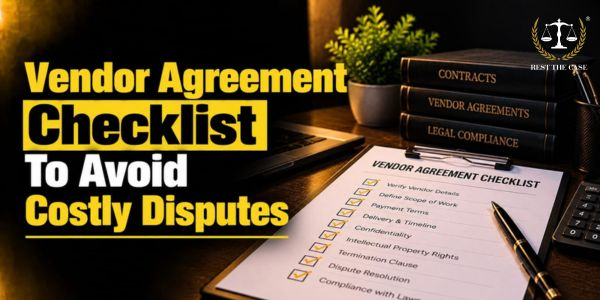

1.1. 1. Vendor and Business Details
1.2. 2. Scope of Supply or Services
1.3. 3. Pricing and Payment Terms
1.4. 4. Delivery and Timelines
1.5. 5. Quality Standards and Inspection
1.6. 6. Vendor Responsibilities
1.7. 7. Warranties and Defective Products
1.8. 8. Confidentiality and Data Protection
1.9. 9. Intellectual Property Rights
1.11. 11. Limitation of Liability
1.12. 12. Term and Termination
1.14. 14. Dispute Resolution and Governing Law
1.15. 15. Contract Changes and General Terms
2. Vendor Agreement Checklist 3. What Common Vendor Agreement Mistakes Can Lead to Disputes? 4. How can businesses avoid vendor disputes before signing? 5. ConclusionA vendor relationship, often initiated by the presentation of an order or a generic business arrangement, is vulnerable to disagreements about pricing, deliveries, defectiveness, account payment, or responsibility. A well-drafted vendor agreement, however, establishes expectations, clarifying who is obliged to do what in the event that circumstances become unfavourable. This vendor agreement checklist details the relevant clauses businesses should analyse prior to signing a contract to avoid uncertainty and ensuing disputes.
What Should a Vendor Agreement Include?
A vendor agreement should clearly define the supplied items, prices, delivery obligations and quality criteria, as well as the payment conditions, warranties, confidentiality, intellectual property ownership, liability terms, termination possibility and dispute resolution mechanisms. The explicit description of terms and deliverables can help the parties to easily evaluate any performance-related issues concerning the provided goods, services, or materials.
1. Vendor and Business Details
- Legal names and addresses: Clearly mention the legal names and addresses of both the vendor and business.
- Authorized representatives: Identify the persons authorised to sign and act on behalf of each party.
- Effective date of the agreement: State the date from which the vendor agreement becomes effective.
2. Scope of Supply or Services
- Exact goods or services to be provided: Clearly describe the products or services the vendor must supply.
- Specifications and quantities: State the required specifications, quantities and applicable standards.
- Deliverables and exclusions: Identify the expected deliverables and clearly mention what is excluded from the arrangement.
3. Pricing and Payment Terms
- Agreed prices: Specify the agreed price or applicable rates for the goods or services.
- Taxes and additional charges: Clarify applicable taxes, shipping costs and other additional charges.
- Payment schedule: State when and how payments must be made.
- Late-payment terms: Specify the consequences of delayed payments, including any agreed interest or charges.
- Price revision conditions: Explain when and how the vendor may revise the agreed prices.
4. Delivery and Timelines
- Delivery dates and locations: Specify when and where the goods or services must be delivered.
- Shipping responsibilities: Clarify which party is responsible for transportation, shipping and related costs.
- Delays and consequences: State the procedure and contractual consequences for delayed delivery.
- Risk during transportation: Specify when the risk in the goods transfers between the parties during transportation.
5. Quality Standards and Inspection
- Required quality specifications: Clearly define the quality and technical standards the goods or services must meet.
- Inspection and acceptance process: Specify how and when the business can inspect and accept the supplied goods or services.
- Rejection and replacement of defective goods: Establish the process for rejecting defective goods and obtaining replacement or other agreed remedies.
6. Vendor Responsibilities
- Performance standards: Define the standards and level of performance expected from the vendor.
- Required licences or approvals: Specify the licences, registrations or approvals the vendor must maintain.
- Compliance with applicable laws: Require the vendor to comply with applicable laws and regulatory requirements.
- Responsibility for subcontractors: Clarify the vendor's responsibility for the acts and performance of its subcontractors.
7. Warranties and Defective Products
- Product/service warranties: Specify the applicable warranty terms and duration for the products or services.
- Defect reporting: Establish how and within what period defects must be reported.
- Repair, replacement, refund or other remedies: Clearly state the remedies available for defective or non-conforming goods or services.
8. Confidentiality and Data Protection
- Business confidentiality: Define the confidential commercial information that the vendor must protect.
- Customer and employee data: Specify how customer and employee data may be accessed, processed and handled.
- Disclosure and use restrictions: State when confidential information may be disclosed, used or otherwise processed.
- Information security: Define applicable security measures, access controls and data-storage requirements.
- Return of information: Specify how confidential information and data must be returned or handled when the relationship ends.
- Data protection obligations: Where personal information is involved, define the applicable data-protection and vendor security obligations.
9. Intellectual Property Rights
- Ownership of created materials: Clearly state who owns materials created under the vendor agreement.
- Use of trademarks, designs and content: Define the vendor's permitted rights to use the business's brand assets and content.
- Pre-existing intellectual property: Confirm ownership of intellectual property that existed before the vendor relationship.
- Licence rights: Specify any licences granted to either party for using intellectual property.
- Unauthorised use restrictions: Prohibit unauthorised use, reproduction or modification of protected intellectual property.
- Deliverables after termination: Clarify the parties' rights over deliverables when the agreement ends.
10. Indemnification
- Third-party claims: Specify responsibility for claims brought by third parties arising from the vendor's acts or obligations.
- Defective products or services: Address losses resulting from defective or non-conforming products or services.
- IP infringement: Define responsibility for claims alleging infringement of intellectual property rights.
- Legal or regulatory violations: Address losses resulting from violations of applicable laws or regulatory requirements.
- Indemnification process: State the scope, claim procedure and any applicable caps or limitations on indemnification.
11. Limitation of Liability
- Types of losses: Specify which losses are covered, excluded or subject to limitations.
- Liability cap: Include an agreed cap on liability where commercially appropriate.
- Exceptions: Clearly identify any exceptions to the applicable liability limitations.
- Risk allocation: Ensure the liability provisions are consistent with indemnities, warranties and other risk-allocation clauses.
12. Term and Termination
- Term: Clearly state the duration of the vendor relationship.
- Termination for cause: Specify when either party may terminate for material breach.
- Termination for convenience: State whether either party can terminate without establishing a breach.
- Notice period: Specify the notice required before termination takes effect.
- Surviving obligations: Identify obligations that continue after termination.
- Pending matters: Address pending orders, invoices, confidential information, intellectual property and other obligations after termination.
13. Force Majeure
- Events beyond reasonable control: Identify events that may prevent, restrict or delay contractual performance.
- Notice requirements: Specify when and how the affected party must notify the other party.
- Mitigation: Require the affected party to take reasonable steps to reduce the impact of the event.
- Effect on performance: Explain how force majeure affects delivery and other contractual obligations.
- Extended events: Specify what action may be taken if the force majeure event continues for an extended period.
14. Dispute Resolution and Governing Law
- Negotiation: Provide for negotiation between authorised representatives before formal proceedings.
- Mediation: Include mediation where it is appropriate for resolving the dispute.
- Arbitration: Specify whether disputes will be referred to arbitration if the parties agree to it.
- Jurisdiction and governing law: Clearly state the applicable law and the forum or courts having jurisdiction.
15. Contract Changes and General Terms
- Written amendments: Require significant contractual changes to be made in writing.
- Assignment: Specify whether contractual rights or obligations may be transferred to another party.
- Subcontracting: State whether the vendor may appoint subcontractors and any applicable conditions.
- Formal notices: Define how contractual notices must be given and delivered.
- Entire agreement: Confirm that the written agreement represents the complete understanding between the parties.
- Severability: Provide that the remaining provisions continue if one provision is found invalid or unenforceable.
Vendor Agreement Checklist
Area | What to Check |
|---|---|
Scope | Products/services and specifications are clearly defined |
Pricing | Rates, taxes, and payment dates are clear |
Delivery | Timelines, locations, and delay responsibilities are covered |
Quality | Inspection, rejection and replacement terms are included |
Liability | Liability and indemnity responsibilities are defined |
Termination | Exit rights and notice periods are specified |
Disputes | A clear dispute-resolution mechanism is included |
What Common Vendor Agreement Mistakes Can Lead to Disputes?
Several drafting and contract-management mistakes can cause uncertainty between a business and its vendor. Some of them are:
- Vague product/service description
- Verbal amendments
- Delivery responsibilities
- Acceptance and quality criteria
- Payment and price-revision terms
- Termination clauses
- Overly broad or unclear liability
- Dispute-resolution mechanisms
How can businesses avoid vendor disputes before signing?
Businesses can reduce the risk of vendor disputes when they do the basic due diligence and document important commercial and legal terms before the agreement is signed. They must:
- Verify the vendor’s legal and business details
- Clearly document pricing, scope and other commercial terms
- Specify measurable delivery and quality standards
- Specify which party bears each major contractual risk
- Record amendments and changes in writing
- Review important contracts before execution
You Might Find These Helpful
- How to claim Intellectual property rights
- Licensing Agreement: Everything You Need To Know
- 15 Clauses Every Service Agreement Should Include
Conclusion
A well-drafted vendor agreement can help businesses avoid disputes by clearly defining the scope of supply, pricing, delivery timelines, quality standards, payment obligations, and responsibilities of both parties. The clauses covering warranties, indemnification, liability, confidentiality, intellectual property, termination, and dispute resolution can provide greater clarity when problems arise. Businesses should review important vendor agreements carefully, document changes in writing, and ensure that the terms reflect the actual commercial arrangement before signing.
Disclaimer: This blog is for general informational and educational purposes only and does not constitute legal or professional advice. Laws may change, so readers should consult a qualified Corporate Lawyer for advice specific to their business and circumstances.
Frequently Asked Questions
Q1. Is a vendor agreement legally binding in India?
A vendor agreement can be legally binding when the applicable requirements for a valid contract are satisfied. Its enforceability depends on factors such as the parties, consent, contractual terms, consideration and applicable law.
Q2. What happens if a vendor fails to deliver on time?
The consequences depend on the agreement. The contract may provide for remedies such as replacement, compensation, service credits, liquidated damages or termination, subject to the applicable terms and law.
Q3. Can a vendor increase prices after signing an agreement?
A vendor generally cannot unilaterally change an agreed contractual price unless the agreement permits price revisions or the parties subsequently agree to the change. The applicable price-revision clause and contractual terms should be reviewed.
Q4. Who is responsible for defective goods supplied by a vendor?
Responsibility depends on the contract, applicable warranties, specifications and the circumstances of the defect. The agreement should ideally establish inspection, rejection, repair, replacement or refund procedures.
Q5. Can a vendor agreement be terminated early?
An agreement may allow early termination for specified reasons such as material breach, or termination for convenience if the parties have agreed to that right. The applicable notice and post-termination obligations should be reviewed.

 Get Expert Advice and Solutions
Experienced lawyers for all legal matters wether it is for Family, Property, Criminal Cases, and More
Consult Now